The Hidden Costs of "Free" Time Tracking Tools
5 mins read
Published Dec 12, 2025
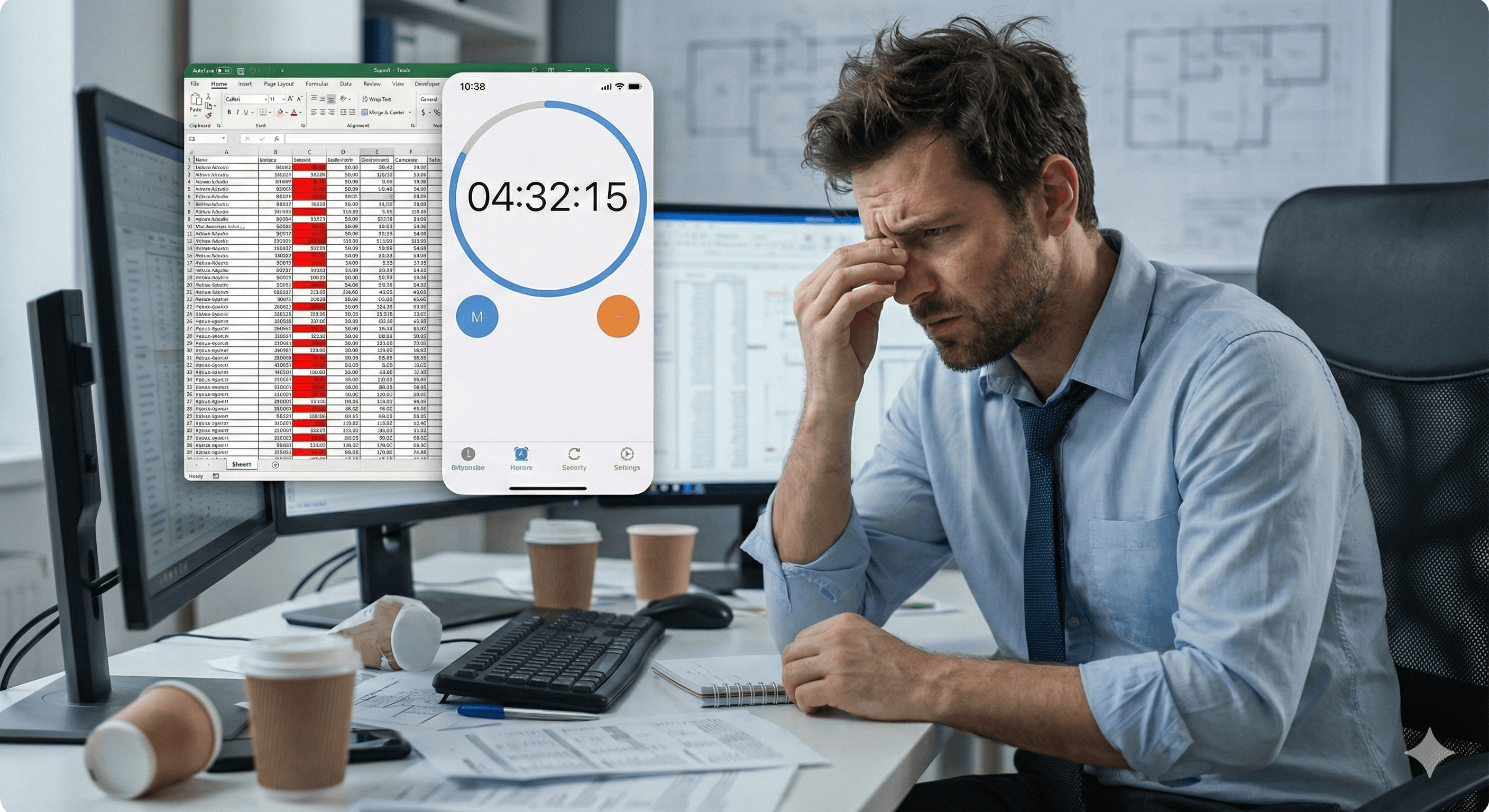
It starts innocently enough. You launch your engineering consultancy or take on your first few freelance clients, and you need to track hours. Naturally, you reach for a free tool or a simple stopwatch app like the basic version of Toggl. It tracks hours, it generates a report, and it costs you nothing. It seems like the smart financial move.
The "Project Budget" Blind Spot
Most general-purpose free trackers are designed for freelancers who charge flat hourly rates. They lack the sophisticated "Project Budget" features that are critical for engineering firms. The best time tracking software for engineers distinguishes itself by allowing you to set a monetary budget for a project—not just an hourly one. This feature monitors your "burn rate" in real-time. Instead of realizing you are over budget at the end of the month, you get alerted when you hit 50%, 75%, or 90% of the allocated funds. This proactive approach allows project managers to pivot resources before the project turns unprofitable.
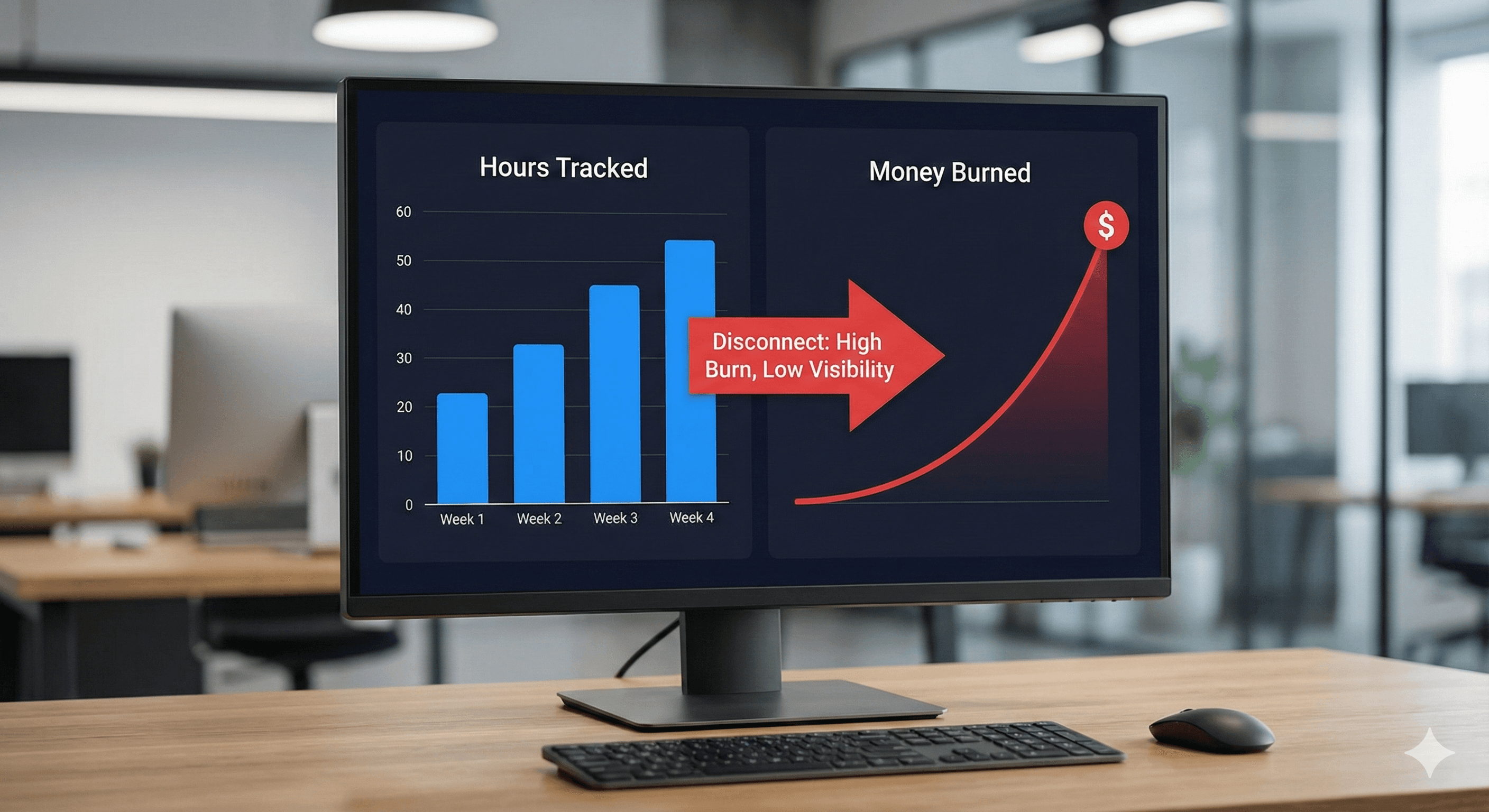
But as your projects grow in complexity, a dangerous gap begins to form. You know how many hours were worked, but you don't instantly know how much money was spent. For engineering firms, where margins are tight and billing rates vary by seniority, time does not always equal money in a linear way. A junior engineer spending 10 hours on a task impacts the budget differently than a senior principal spending the same amount. Free tools often obscure this reality, leaving you blind to the financial health of your project until it is time to send the invoice—and by then, it’s often too late.
Cost-vs-Billable Metrics
In engineering, not every hour is billable, but every hour costs the firm money. Free tools rarely differentiate effectively between cost rates (what you pay your employee) and billable rates (what you charge the client). Without this distinction, you cannot calculate your true gross margin per project. Advanced platforms automatically calculate this variance, showing you exactly how much profit you made on specific phases of a project. When you can visualize cost-vs-billable metrics on a dashboard, you stop guessing about profitability and start engineering it.
The "hidden cost" of free software is the manual labor required to translate minutes into dollars. If you are exporting CSVs to Excel just to see if you are still profitable on a job, you aren't saving money; you are leaking billable hours on administrative overhead. To protect your margins, you need tools built specifically for the trade.
Opportunity Cost and Data Integrity
Finally, consider the data silo. When your time tracking lives separately from your invoicing and project management, data integrity suffers. Engineers are notoriously bad at tracking time if the system is clunky. If they have to toggle between three different free apps to log work, accuracy drops. The best time tracking software for engineers integrates these workflows, making it seamless to turn a logged hour into a billed invoice. The time you save by not wrestling with disparate systems is time you can bill back to the client. Investing in the right tool isn't an expense; it's an efficiency engine.
More